

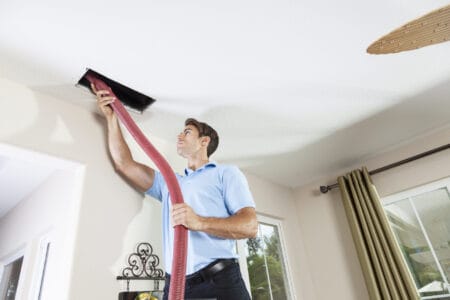
With each cycle of your HVAC system, air circulates through a network of ducts hidden behind your walls, ceiling, and floors. Along with the air meant to heat or cool your home comes something else—what’s lingering inside the ducts themselves.
The EPA warns that indoor air can be two to five times more polluted than outdoor air. Without regular maintenance, that polluted air keeps moving through your ductwork—and into your lungs. Knowing how often you should clean your AC ducts isn’t just about system health. It’s about protecting the air you breathe every day.
What Is Air Duct Cleaning?
Air duct cleaning refers to the removal of dust, dander, and debris from the ductwork that connects to your HVAC system. This includes both supply and return ducts, as well as registers, vents, and in some cases, internal components such as blower motors and fans.
Most professional duct cleaning services rely on negative-pressure vacuum systems, rotary brushes, and high-efficiency particulate filters. Done correctly, the process removes built-up particles and restores cleaner airflow throughout the home.
Why It’s Important to Clean Your Ducts
Ducts don’t—and simply can’t—clean themselves. Anything that passes through your indoor air could end up settling in your ductwork—especially over time. Many, many contaminants can lodge in the vents or deeper inside the system.
Once contaminants are in your ducts, they continue to circulate, worsening indoor air quality with each use of the HVAC system. This becomes more than just a dust problem when someone in your home suffers from respiratory issues, asthma, or allergy symptoms. Children, older adults, and immunocompromised individuals are especially vulnerable to poor air quality.
In addition to air health concerns, clogged or restricted ducts can lead to spikes in energy use and cause unnecessary strain on your HVAC system. If airflow becomes uneven or blocked entirely, the components behind the scenes—like the blower fan or heat exchanger—can degrade more quickly than they should. The price of neglect tends to add up slowly, until it doesn’t.
What Your Air Ducts Can Accumulate
Time, traffic, and life indoors all leave traces behind. Even in well-kept homes, duct systems collect far more than most people expect. If you’ve ever taken a vacuum to behind your fridge or under a heavy couch, you know that dust doesn’t need an invitation to settle where it’s least welcome.
Here’s a look at what might be living inside your air ducts:
- Pet hair and pet dander cling to duct walls and recirculate constantly
- Dust, skin cells, and aerosol particles from cleaning products mix and settle
- Mold growth may begin in areas with trapped moisture or condensation
- Construction dust, especially from remodeling, pulls into vents and lingers
- Insect remains, including droppings, can gather in corners and return
- Rodent activity brings the risk of urine, feces, and nesting debris
- Smoking residues or fireplace soot attach easily to duct surfaces
While your air filter catches a portion of airborne debris, it doesn’t stop everything. Over time, layer after layer collects inside the ductwork unless it is professionally removed through regular cleaning.
How Often Should You Clean Your AC Ducts?
For most homes, air duct cleaning should be done every three to five years. This general timeline helps maintain a healthy HVAC system and good indoor air quality for the average household.
There are exceptions, however—homes with pets, allergy-sensitive residents, or environments with higher dust exposure may require more frequent service. Ducts should also be cleaned more promptly if any of the following changes occur:
Post-Renovation or Construction
Remodeling projects often release sawdust, drywall particles, and fine debris that quickly spread through the air and into your ducts—even when vents are covered during the work.
New Home Purchase or Move-In
If you’re moving into a home and are unsure when the HVAC system was last serviced, scheduling a duct inspection or cleaning is a good early step. Pet ownership, smoking, or long gaps in maintenance from a previous occupant may pose hidden problems.
Unexplained Allergy Symptoms or Odors
If allergy symptoms worsen indoors or if you detect persistent musty or sour odors from your vents, dirty ducts—or even mold growth—could be the cause.
Related Article: How to Avoid HVAC Failure (Tips, Tricks, and Who to Call)
Choosing an Air Duct Cleaner
There’s more to a good duct cleaning than bringing a strong vacuum. A qualified technician should understand how your HVAC system is set up, where trouble spots tend to occur, and how to clean the system without damaging delicate parts inside.
Certifications from organizations like NADCA (National Air Duct Cleaners Association) indicate the company follows industry standards, but not all companies are created equal. Companies that promise ultra-low pricing, fast turnarounds, or chemical treatments without reason should raise red flags.
Ask if the provider will inspect your air ducts before quoting the job, whether they clean associated parts like fans and coil housings, and how they’ll confirm the work was completed. You shouldn’t be left guessing.
What to Expect from an Air Duct Cleaner
On the day of service, the technician should begin with a system inspection. This includes checking vents, returns, and potentially using a small camera to assess the depth of buildup inside your ductwork. From there, they’ll prepare the work area by protecting floors and sealing vents as needed.
The cleaning process involves hooking up powerful vacuum equipment to your HVAC trunk lines. As each section is cleaned, compressed air or brushes may be used to dislodge trapped material. If present, mold or signs of rodent activity will be noted and addressed according to industry-safe standards.
Cleaning an average home’s ducts typically takes two to four hours, depending on system size, the layout of the home, and the severity of the buildup. At the end, some companies provide before and after photos to document the work—something that’s worth requesting ahead of the visit.
Signs It May Be Time to Clean Your Ducts
Ductwork cleaning doesn’t run on a set calendar. While most homes benefit from cleaning every few years, warning signs can surface much sooner.
Watch for these common indicators:
- Dust blows out from vents when the HVAC turns on
- You notice a persistent musty or foul smell indoors
- Allergy symptoms worsen inside your home but improve outside
- Airflow seems weaker or uneven between rooms
- Vents or returns collect pet hair and debris even after filter changes
These symptoms won’t fix themselves. Addressing them early can improve indoor air quality and reduce the strain on your heating and cooling system.
The Path to Cleaner Air Starts Inside
Your home’s air runs through more than just filters—it flows across and carries what’s found inside your ductwork. Cleaning your ducts on a routine schedule helps reduce buildup, restore airflow, improve energy efficiency, and protect your family from allergens, mold, and other hazards hiding in plain sight.
So, how often should you clean your AC ducts? For many homes, a 3-to-5-year rotation works well. But if your household includes shedding pets, allergy-prone residents, or significant remodeling, more frequent cleanings could be worth considering.
A well-maintained HVAC system isn’t just about warm winters or cool summers—it’s about safer, cleaner air every day of the year.