

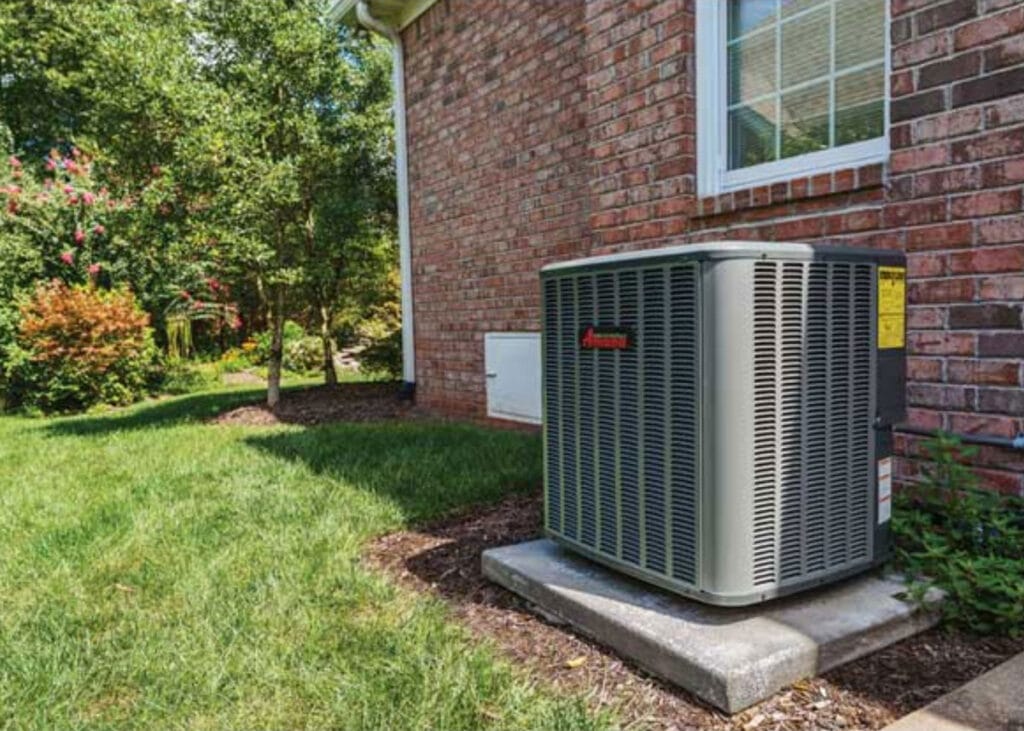
When summer temperatures soar, your air conditioner becomes the unsung hero of your home. But like any hardworking appliance, your AC unit won’t last forever. Eventually, it will succumb to the hard work it’s put in for you.
Knowing the warning signs that your air conditioner needs repair or replacement can save you from unexpected breakdowns, uncomfortable nights, and costly emergency calls.
The average air conditioning system lasts between 15 and 20 years with proper maintenance. However, various factors can shorten that lifespan or indicate that something isn’t working as it should. Whether you’re dealing with strange sounds, rising energy bills, or inconsistent cooling, understanding these signals helps you make informed decisions about your home comfort system.
9 Warning Signs Your Air Conditioner Repair vs Replacement
1. Unusual Noises Coming From Your Unit
A healthy air conditioner should run relatively quietly, producing only a low, consistent hum. When you start hearing unusual noises like grinding, squealing, banging, or rattling, something is definitely wrong.
Grinding sounds often indicate motor bearing problems, while banging could suggest a loose or broken component inside the compressor. Squealing noises typically point to belt issues or motor problems that need immediate attention from an HVAC technician.
2. Warm Air Blowing From Vents
If your AC unit is running but pushing warm air through your vents, you’re facing a clear problem. This issue could stem from something as simple as a thermostat setting error or as serious as a compressor failure.
A refrigerant leak is another common culprit, as low refrigerant levels prevent your system from absorbing heat effectively. When warm air persists despite troubleshooting, professional AC repair becomes essential.
3. Frequent Cycling On and Off
Your air conditioner should run in relatively consistent cycles, adjusting based on the temperature demands of your home. Short cycling, when the unit turns on and off repeatedly without completing a full cooling cycle, indicates trouble. This behavior strains your system, increases energy bills, and often signals thermostat issues, electrical problems, or an oversized unit. Addressing frequent cycling quickly can prevent more expensive repairs in the long run.
4. Weak or Reduced Airflow
Poor airflow forces your air conditioning system to work harder to cool your home, leading to increased wear and higher energy costs. Common causes include clogged air filters, blocked ductwork, or a failing blower motor. Dirty coils can also restrict airflow and reduce your system’s efficiency. If cleaning or replacing filters doesn’t resolve the issue, a technician should inspect your system for more serious problems.
5. High Humidity Levels Indoors
Outside of cooling your home, your air conditioning system also removes excess moisture from indoor air. When humidity levels remain uncomfortably high despite your AC running, the system isn’t functioning properly. Excess moisture creates an environment conducive to mold growth, which poses health risks and can damage your home. If your home feels sticky or clammy, have your system evaluated promptly.
6. Unpleasant Odors When Running
Strange smells emanating from your vents demand immediate investigation. Musty odors typically indicate mold growth within your ductwork or unit, while burning smells could signal electrical issues or overheating components. A pungent smell might point to a refrigerant leak, which requires professional handling due to the chemicals involved.
Never ignore unusual odors, as they often indicate problems that could affect your health or safety.
7. Water Leaks Around Your Unit
Some condensation near your air conditioner is normal, but pooling water or active leaks signal trouble. A clogged condensate drain line is often the culprit and can usually be cleared by a professional. However, leaks could also indicate a frozen evaporator coil or issues with refrigerant levels. Left unaddressed, water damage can harm your home’s structure and promote mold growth.
8. Skyrocketing Energy Bills
If your energy bills climb steadily without a corresponding increase in usage, your air conditioning system is likely losing efficiency. Aging components, dirty coils, low refrigerant levels, and general wear all force your system to consume more electricity to achieve the same cooling results. Comparing your current bills to previous years can help identify efficiency losses that warrant professional evaluation.
9. Your System Is Over 10-15 Years Old
Age alone doesn’t mean your AC unit needs replacement, but older systems naturally become less efficient and more prone to breakdowns. If your air conditioner is approaching or exceeding the 15-year mark and experiencing any of the issues above, replacement often makes more financial sense than continued repairs. Modern systems offer significantly better energy efficiency, which translates to lower energy costs and improved comfort.
What’s the Difference Between Repair and Replacement
Understanding the distinction between these two services helps you make a more informed decision when your air conditioner starts showing problems.
Repair
AC repair addresses specific malfunctioning components while keeping your existing system intact. This approach fixes immediate problems like faulty motors, refrigerant leaks, or dirty coils without requiring a full system overhaul.
Repair solves today’s problem at a lower upfront cost, making it ideal for newer systems experiencing isolated issues.
Replacement
AC replacement/installation removes your entire air conditioning system and installs a completely new unit. This option provides updated technology, improved energy efficiency, and a fresh warranty covering all components.
Replacement eliminates ongoing issues and positions your home for reliable comfort over the next 15 to 20 years.
Deciding Which Service You Need
When facing AC problems, the repair-versus-replacement decision depends on multiple things. Here’s what to consider to decide:
- The age of your system: Units under 10 years old with minor issues typically warrant repair, while those over 15 years may benefit more from replacement
- Cost of repairs: A common guideline suggests replacing your unit if repair costs exceed 50% of a new system’s price
- Frequency of repairs: If you’re calling for AC repair multiple times per season, those costs add up quickly
- Energy efficiency: Older units often have SEER ratings far below modern standards, meaning a new system could significantly reduce your energy bills
- Refrigerant type: Systems using R-22 refrigerant (phased out in 2020) face increasingly expensive refills, making replacement more practical
An experienced HVAC technician can assess your specific situation and provide honest recommendations based on your system’s condition, your budget, and your long-term comfort needs.
Related Article: Are HVAC Maintenance Plans Worth It?
Trust Non-Stop Air For Both
At Non-Stop Air, we understand that air conditioner problems never happen at convenient times. Our team of certified technicians brings years of experience diagnosing and resolving every type of AC issue, from minor repairs to complete system replacements. We pride ourselves on honest assessments, we’ll never recommend a replacement when a simple repair will solve your problem, and we’ll never patch a failing system that truly needs upgrading.
Our comprehensive services include thorough diagnostics, transparent pricing, and quality workmanship backed by solid warranties. Whether you need emergency AC repair or you’re planning a proactive replacement before the next cooling season, we’re here to help you make the best decision for your home and budget.
Related Article: How Often Should You Service Your AC?
Keep Your Home Comfortable Year-Round
Don’t wait until your air conditioner fails completely on the hottest day of summer. If you’ve noticed any of these warning signs, your air conditioner needs repair or replacement; taking action now saves you money, stress, and discomfort in the long run.
Contact Non-Stop Air today to schedule your diagnostic appointment. Our friendly team will assess your system, explain your options clearly, and help you choose the solution that keeps your home cool and comfortable for years to come.
Call us now or visit our website to book your service—because your comfort should never stop.