

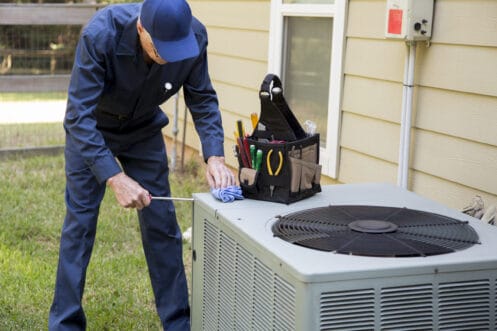
There are few things more stressful for a homeowner than waking up in the middle of the night to a freezing cold house in the dead of winter, or realizing your air conditioner has quit working during a heatwave. When your comfort system fails, panic often sets in. You immediately wonder if you need to call a technician right this second or if it can wait until regular business hours.
Navigating the world of repairs can be confusing, and nobody wants to pay emergency overtime fees if they don’t strictly have to. However, waiting too long on a critical issue can jeopardize your safety and your property.
So, what’s considered an HVAC emergency?
This guide is designed to help you determine when you need immediate attention and when you can schedule a standard appointment. We are here to help you keep your home safe, comfortable, and efficient.
Prioritizing Safety During HVAC Emergencies
The most important factor in deciding whether to pick up the phone at 2:00 AM is safety. If the malfunction in your HVAC system poses a threat to the health or lives of your family, it’s an emergency, no exceptions.
While losing air conditioning is uncomfortable, it isn’t always dangerous. However, losing heat when temperatures are below freezing is a different story.
To help you decide, ask yourself:
Is my family safe?
Is my home at risk of damage?
If the answer to either is “no” or “unsure,” it’s time to call for emergency HVAC services.
Situations That Require Immediate Action
There are specific scenarios where you should never hesitate to call for help. These situations go beyond mere discomfort; they involve potential health hazards or the risk of catastrophic damage to your home.
If you are experiencing any of the following, please schedule an emergency HVAC repair immediately:
Carbon Monoxide and Gas Leaks
If you smell sulfur (often described as rotten eggs), hear hissing near your furnace, or if your carbon monoxide detector goes off, this is a life-threatening emergency. Evacuate your home immediately, call the fire department or your utility company, and then call your HVAC technician. Gas leaks are volatile and require professional handling.
Similarly, carbon monoxide is odorless and deadly; never ignore an alarm or physical symptoms like dizziness and nausea.
Total Loss of Heat in Freezing Weather
If the temperature outside is below freezing and your furnace fails, your home will lose heat rapidly. This isn’t just about needing an extra blanket; a freezing home can lead to burst pipes, causing thousands of dollars in water damage. Furthermore, for households with elderly residents, infants, or those with compromised immune systems, extreme cold is a severe health risk.
Total Loss of Cooling in Extreme Heat
While a broken AC is usually an inconvenience, it becomes an emergency during heat waves (typically over 90°F) or in high humidity. Just like with extreme cold, high heat can be dangerous for vulnerable family members and pets. If your cooling system fails during a heat advisory, do not wait.
Electrical Hazards
If your system is making a loud buzzing noise, or if you smell burning plastic or ozone (an “electrical” smell), shut the system off immediately. This indicates an electrical failure that could lead to a fire. If the system keeps tripping the circuit breaker repeatedly, do not keep flipping it back on; this is a safety mechanism trying to prevent a fire.
Major Water Leaks
Your AC produces condensate, and usually, this drains away safely. However, if a drain line clogs or a pan overflows, it can cause significant water damage to your ceilings, floors, and drywall. If you see active water pooling or dripping heavily, you need help to prevent structural damage and mold growth.
Related Article: How to Avoid HVAC Failure [Tips, Tricks, & Who to Call]
When It’s an Inconvenience, Not an Emergency
We understand that a malfunctioning unit is frustrating, but not all breakdowns fall under the category of HVAC emergencies. If your system is acting up but not posing a safety risk or threatening immediate property damage, it’s often more cost-effective to wait for regular business hours. Common non-emergency situations include:
- Mild Weather Malfunctions: If your air conditioner is blowing warm air but the weather is mild (around 70-80°F), you can likely sleep with the windows open or use fans until the morning.
- Strange Noises: Sounds like light rattling or squeaking are signs that you need a repair soon/standard service call. However, unless they are accompanied by burning smells or screeching, they usually don’t warrant an emergency visit.
- Dirty Air Filters: A common non-emergency is airflow restriction due to dirty air filters. If your system is running but the airflow feels weak, check your filter first. A clogged filter can freeze up an AC unit or cause a furnace to overheat and shut down. This is a maintenance issue that can often be resolved by the homeowner or scheduled for a standard service call.
Troubleshooting Before You Call
Before you panic and dial the emergency line, there are a few things you may be able to do yourself. Sometimes, the solution is simple and doesn’t require a technician at all. Taking a moment to troubleshoot can save you time, stress, and money.
First, check your thermostat. Ensure it has fresh batteries and is set to the correct mode (Heat or Cool). It sounds simple, but settings are often accidentally changed by children or bumped during cleaning. Make sure the temperature setting is actually triggering the system to turn on.
Next, check your electrical panel. Has the circuit breaker for your HVAC unit tripped? If so, try flipping it back to the “ON” position once. If the unit powers up and runs normally, it may have been a fluke power surge. However, remember the rule from earlier: if it trips again immediately, stop and call a pro.
Finally, check your air filters. As mentioned, a dirty filter is the number one cause of system failure. If the filter is caked with dust and debris, replace it and see if that restores airflow and function.
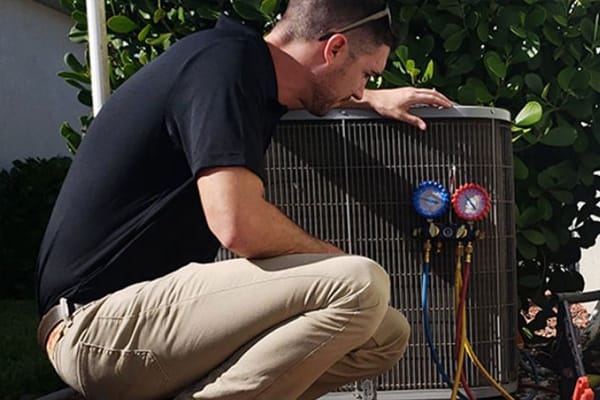
Non-Stop Air Is Here When You Need Us
Knowing what’s considered an HVAC emergency can give you peace of mind during a stressful situation. If you are facing safety risks like sparks, smoke, gas smells, or extreme temperatures that endanger your family, do not hesitate. Your safety is our top priority.
However, if the issue is a minor inconvenience, take a deep breath, check your settings, and call us during normal hours to save on emergency rates.
Whether you need immediate attention for a crisis or are looking to schedule routine maintenance to prevent one, the team at Non-Stop Air is ready to help. We pride ourselves on being there for our community, ensuring your home remains the safe, comfortable sanctuary it’s meant to be.
Contact Non-Stop Air today if you suspect an issue with your system—we are just a phone call away.